HS Anatomical Saddlery
Unique anatomical designs for maximum horse and rider comfort
Please look at our Bridle and Bit Fitting Consultants page before emailing me, asking who fits in your area.
We don't have email access until it is sorted out, so please telephone, don't email us.
Why Choose an Anatomical Bridle?
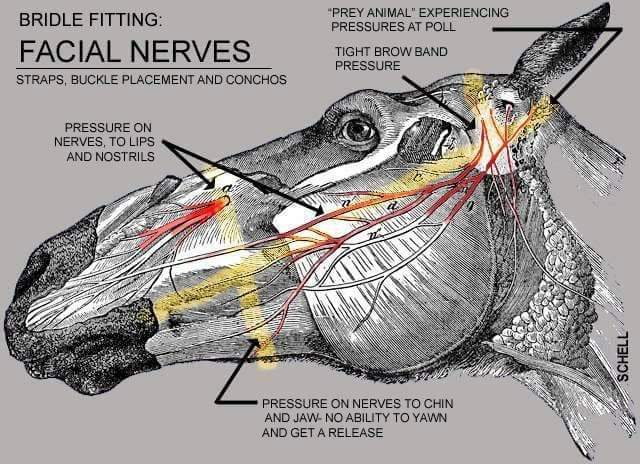
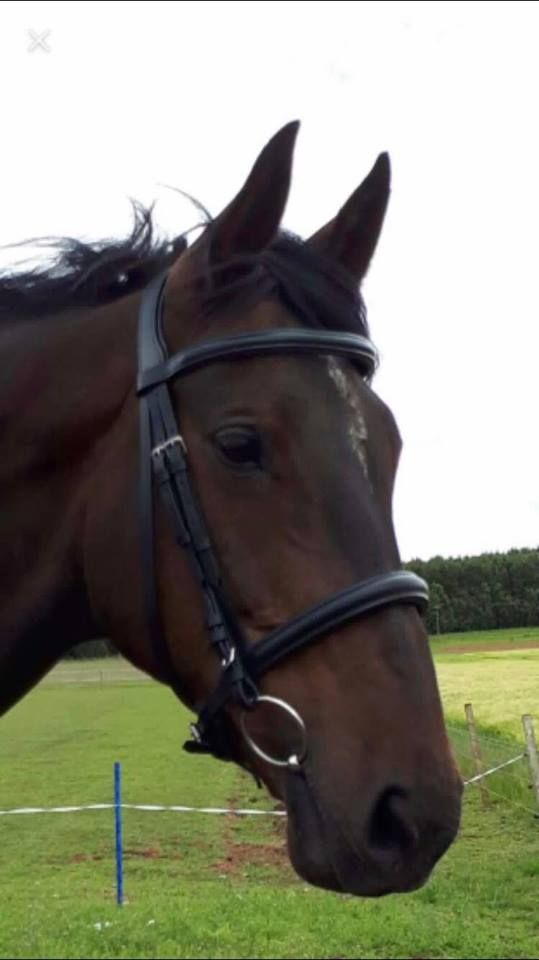
An anatomical bridle should be designed to follow the actual shape of the horse's head, avoiding pressure on sensitive facial nerves, foramens, blood vessels and bones.
The aim of an anatomical bridle is to give greater comfort, less mental stress, and enhance the stride length and performance. It does this by removing pressure points and restrictions, particularly those associated with TMJ restriction, (which affects all limbs as a result) and distributing contact more evenly over the head than a traditional bridle.
The diagram shows the outline of a traditional bridle and how it sits right on the parts of the head which must be avoided.
All horse heads differ in their conformation, which is why no single anatomical bridle design can fit all horses.
Here at Horsemanship Saddlery, we have designed 9 different headpieces for differing head profiles.
Anatomical Headpieces
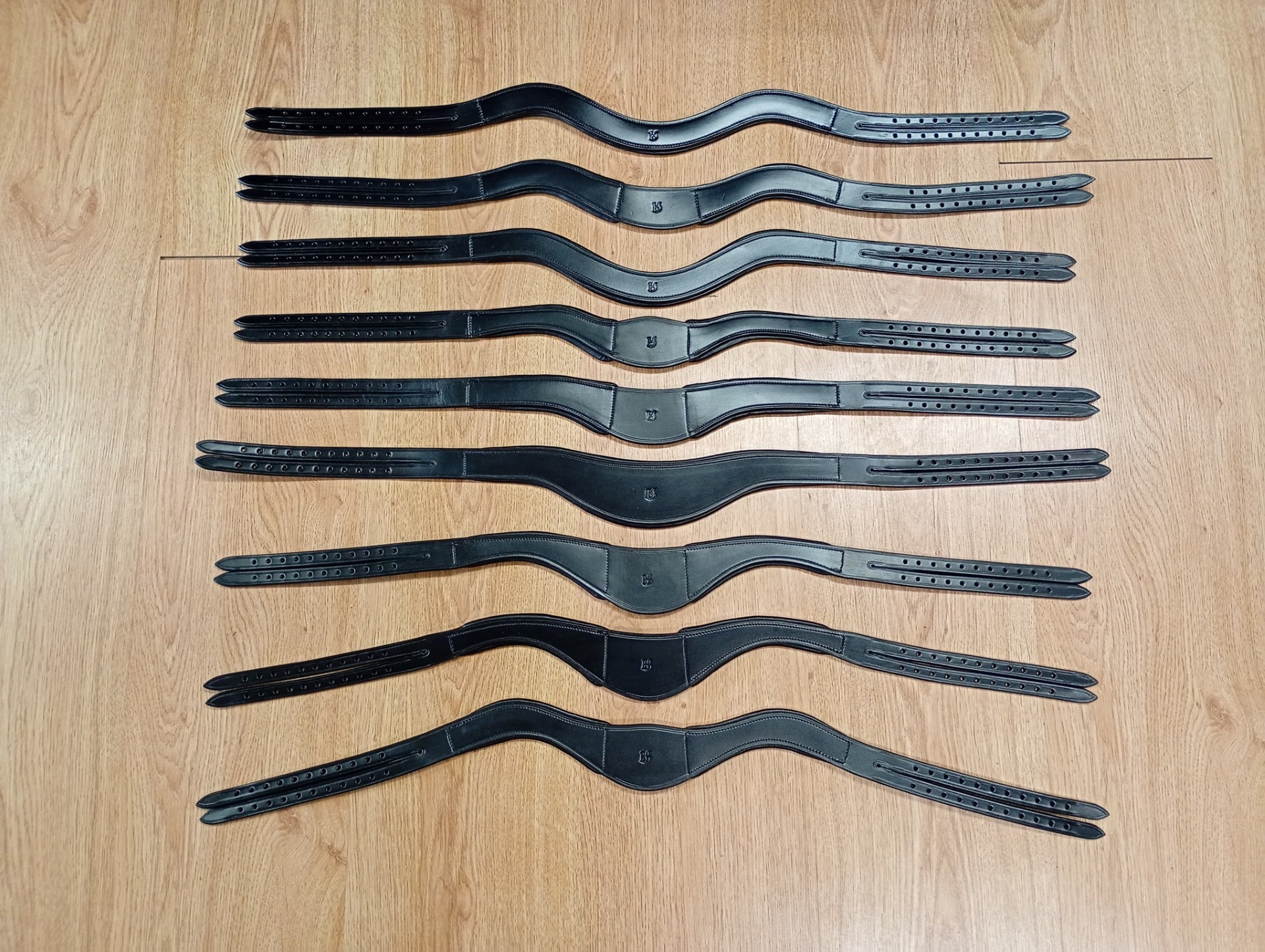
Choosing the RIGHT shaped headpiece is the most important part of choosing the right anatomical bridle for your horse. It is the KEY part.
The angle that the cheekpiece hangers come out of the top part of the headpiece is crucial to the final fit of the bridle. Of course, ear cut-out shape matters as well, but a bridle wil never fit correctly if the hanger angle is wrong. That is why we make so many different ones.
Our headpieces also have the option (on most styles) to have the central padding removed to eliminate Poll Pressure.

Anatomical Nosebands
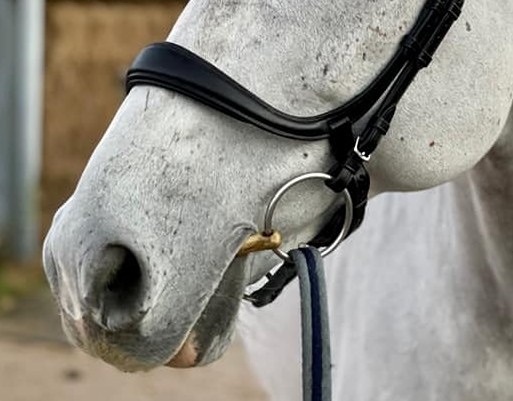
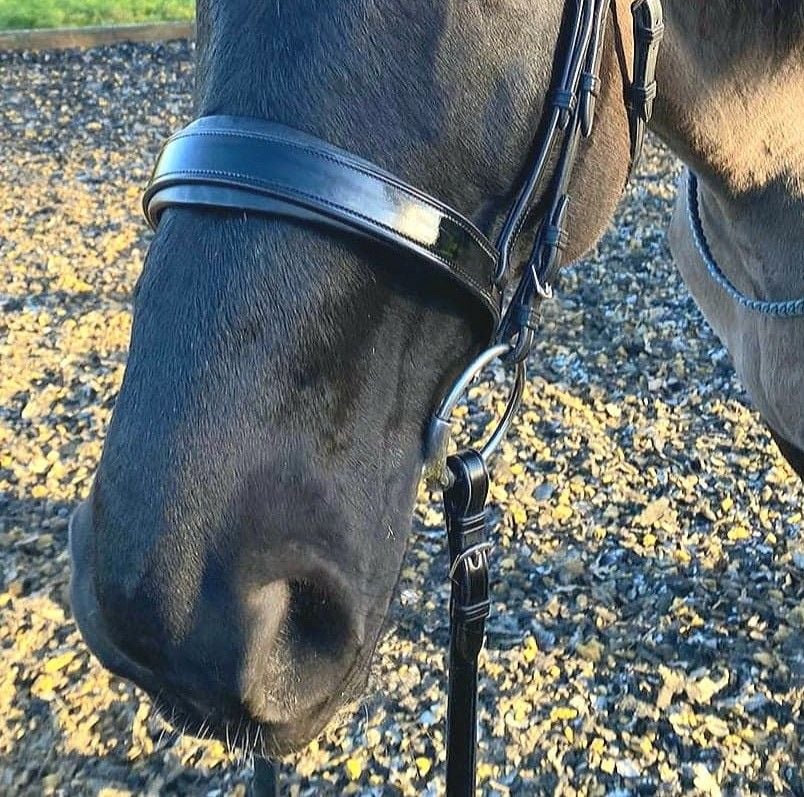
Our nosebands are designed to avoid pressure on the facial Crest bone, Infraorbital Foramen and upper molar/cheek interface by careful use of limited padding and removal of padding.
The infraorbital foramen is the hole in the skull where a major nerve exits and pressure on this point causes numbness or discomfort in the upper lips and nose.
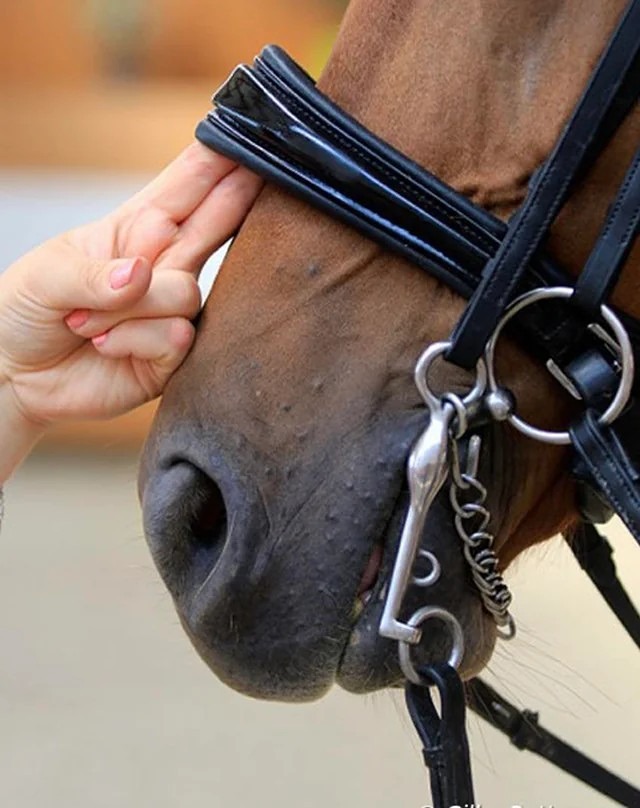
They must be fitted correctly, which is 2 finger widths DOWN from the bottom of the Facial Crest to the top of the noseband and 2 vertical finger depth at the front. See diagram for this.
We don't make any nosebands with straps that go under the bit (Flash, Grackle, etc.) as all these straps restrict jaw movement and affect the TMJ and Hyoid bone.
Our Anatomical Browbands
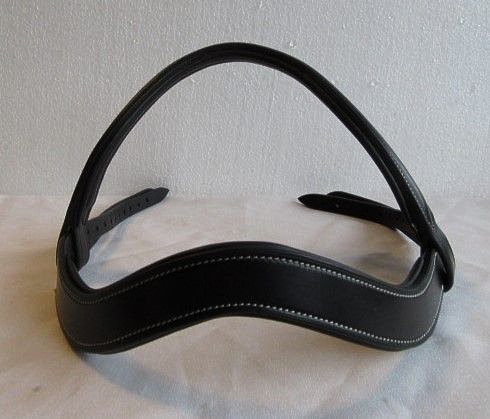
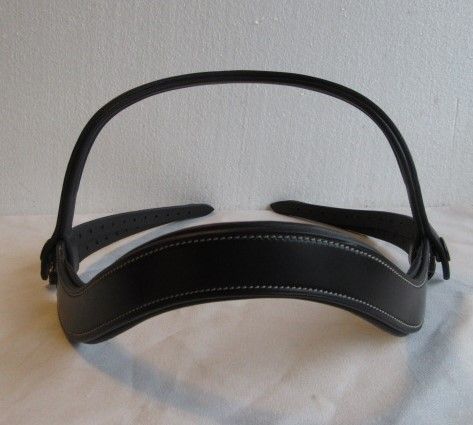
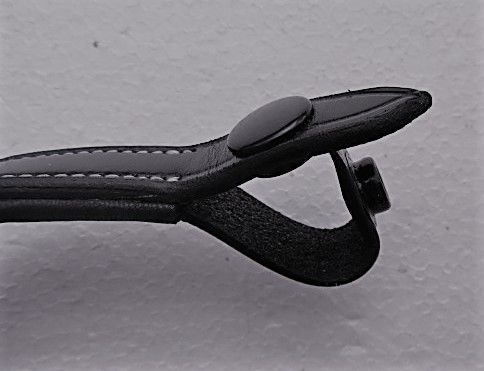
We have designed our browbands to follow the contours of the head. It took a lot of research, but we did it. We also find that most standard browbands are too short, so our standard sizes are longer.
Our Throatlashes
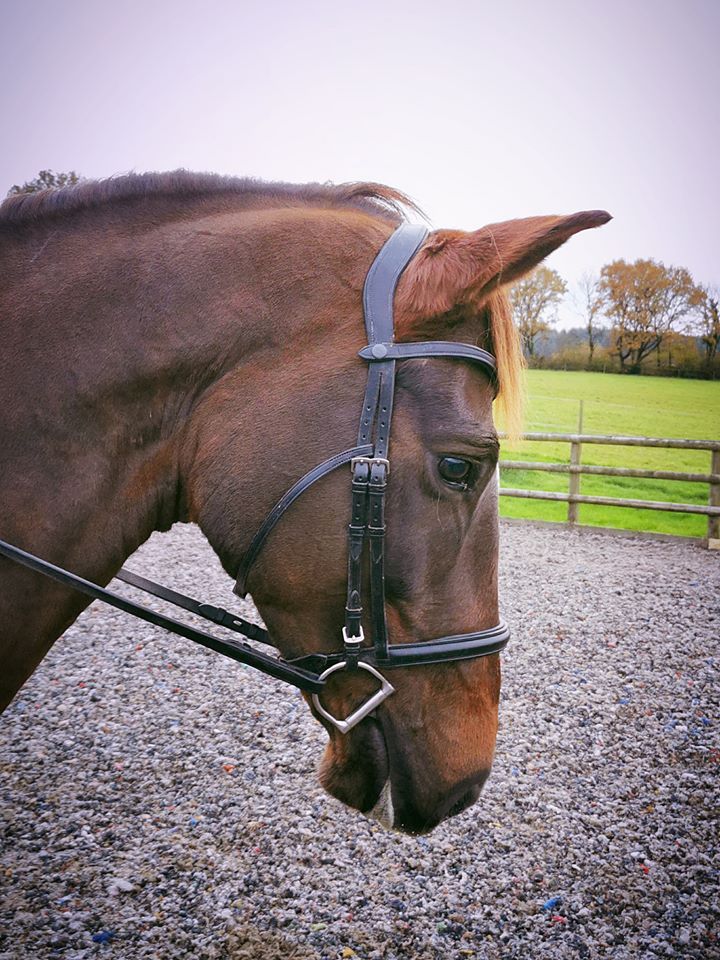
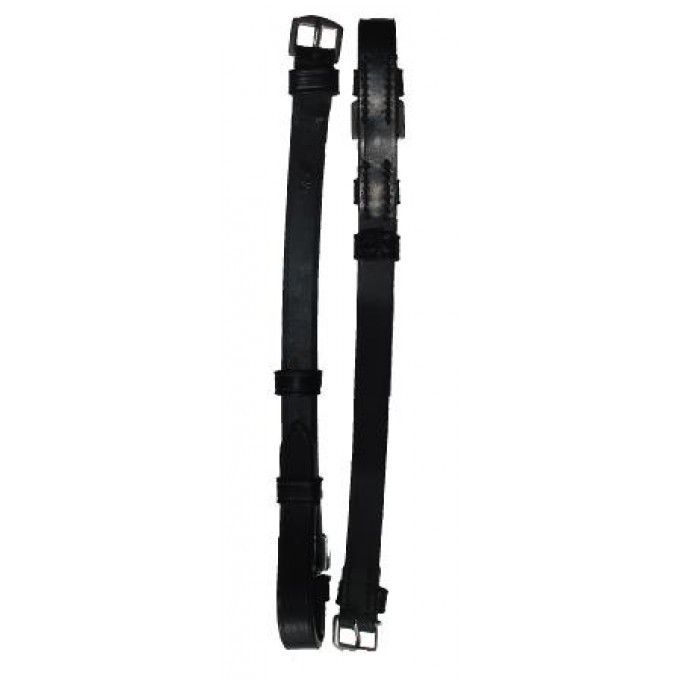
Our standard throatlashes have loops that slide over the rear headpiece hangers before you attatch the cheekpieces.
This helps prevent the throatlash fromputting pressure on the sensitive temporomandibular joint (TMJ) and the windpipe, allowing the horse to breathe and swallow easier.
It also helps to keep the straps away from the eyes with Pelham bits, etc.
We also make double buckle throatlashes that fit on our double bridles for a more traditional single bit bridle appearance.
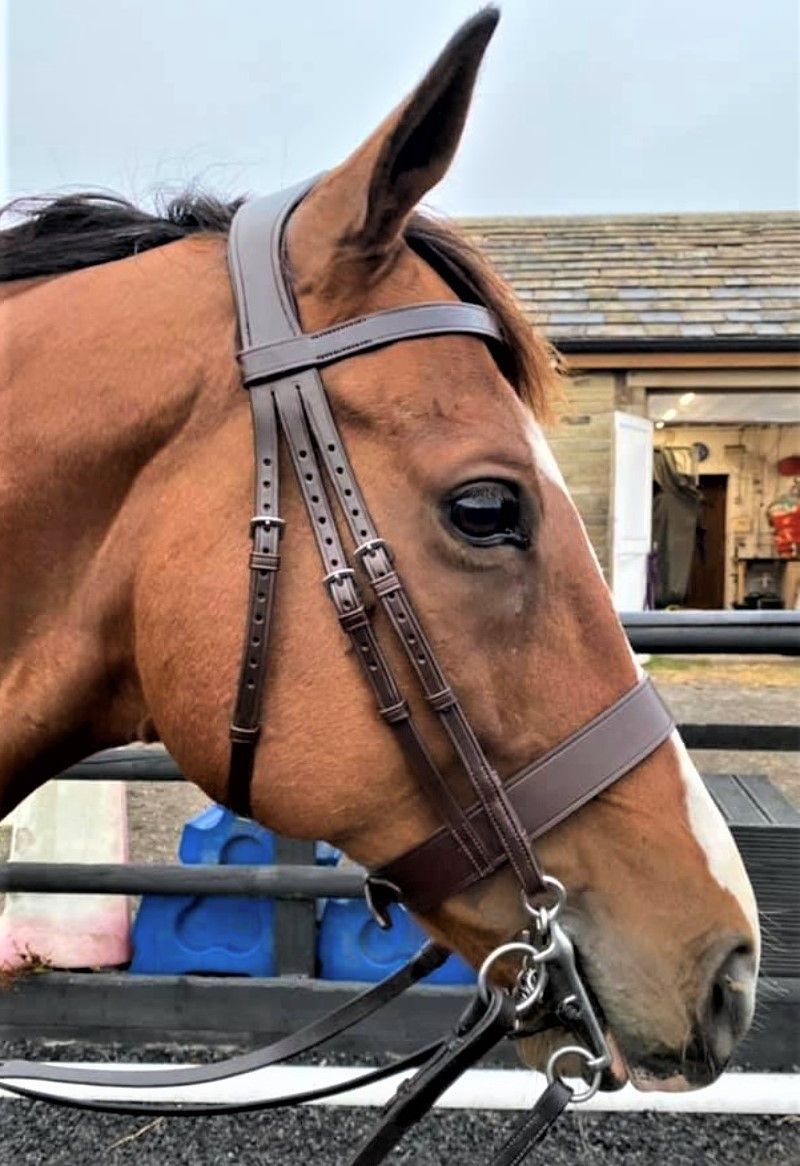
HS Anatomical Bridles
l bridles are sold with different sized parts options.
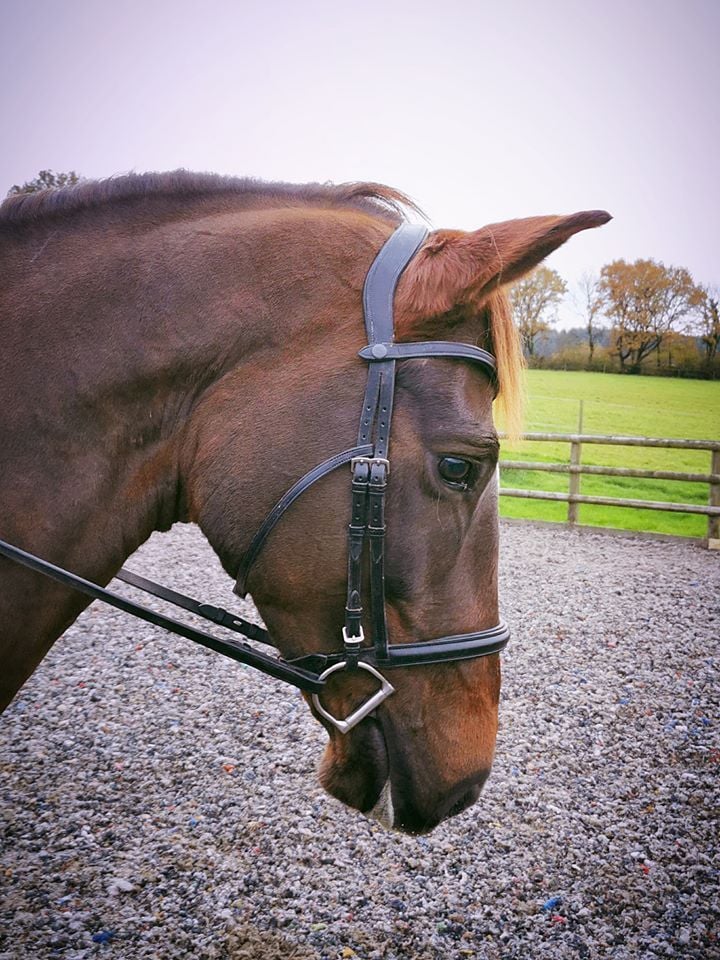
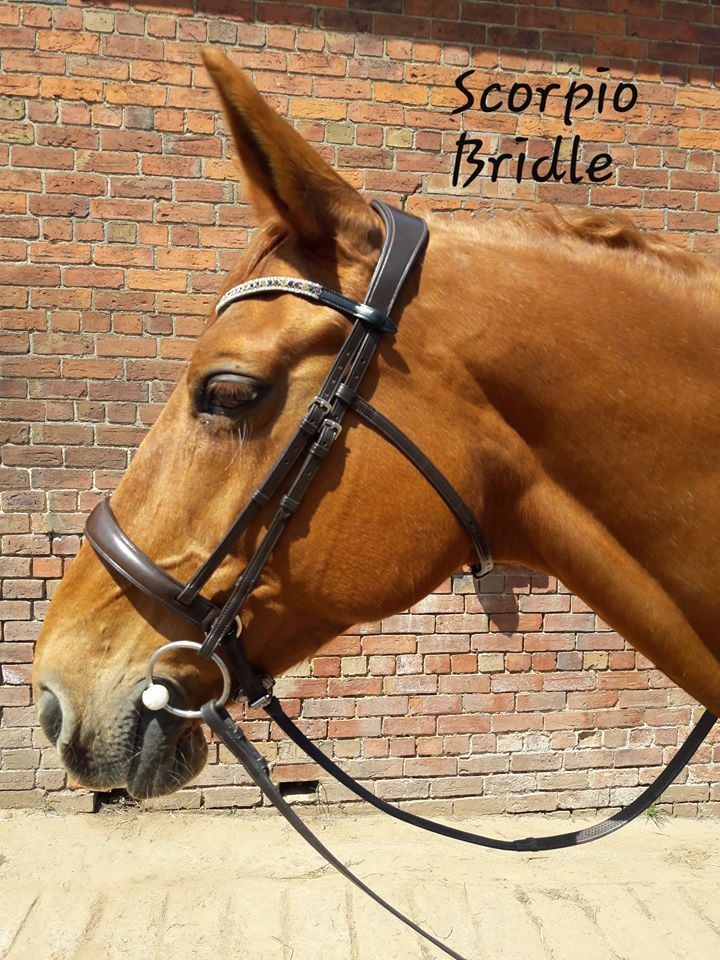
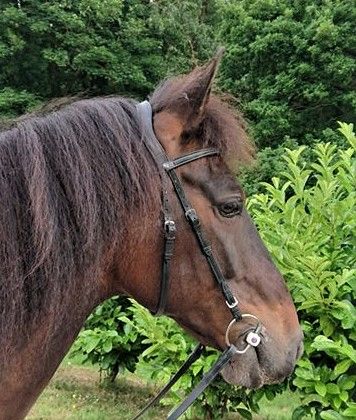
The 3 basic anatomical bridles are Saturn, Scorpio and Avante Bridles, with the option to choose any of the other headpieces - Apollo, Pluto, Venus, Mars, Saturn Wide and Nimbus.
The Avante anatomical bridle is also available in an economy version.
All parts are interchangeable and they are also interchangeable with the anatomical Pluto, Apollo, Saturn Wide, Avante, Nimbus and Venus bridle parts, which are options on the Order Page.
The Avante Headpiece and Noseband are also supplied in the same Italian leather as the Saturn and Scorpio bridle, when ordered with it.
£151.20
£151.20

£115.20
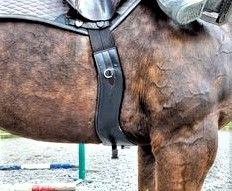
From £45.60
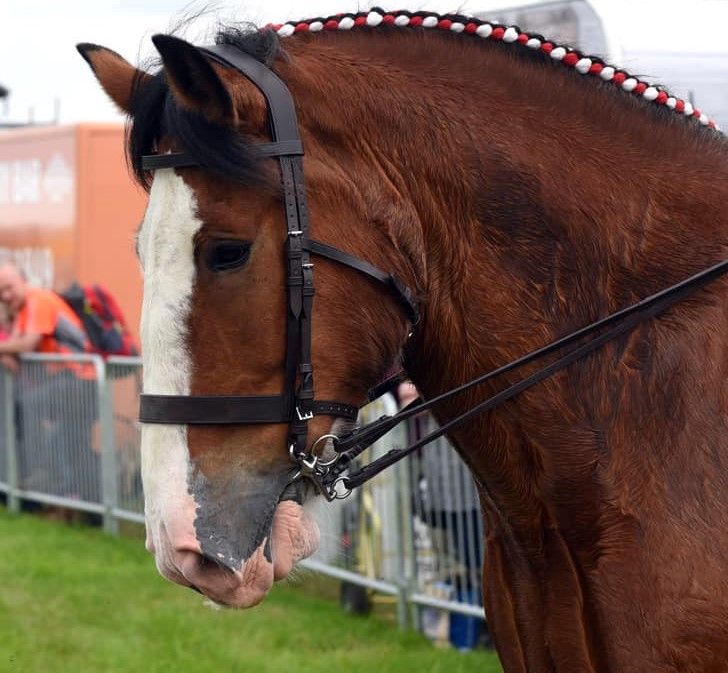
Cavesson Hunter Bridles - an option with all styles.
Double Bridle Headpiece used as a Traditional Hunter Bridle with double buckle throatlash
£64.00
Titan Anatomical Bridle for BIG Horses
The TITAN bridle is oversized for big and draft horses, who are too large for normal XF sized bridles.
They come in 2 sizes - a big XF and massive XXF.
They have normal, padded noseband and browband and Hunter style options.
All parts are interchangeable with each other.
Click on the photos for more information on the bridles.
Click on the text link for the Order Page.
The options for part sizes are on the Order Page for your bridle.
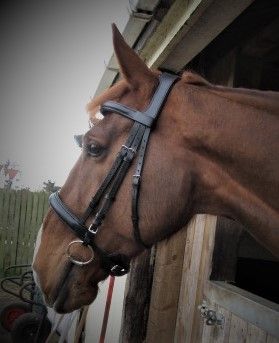
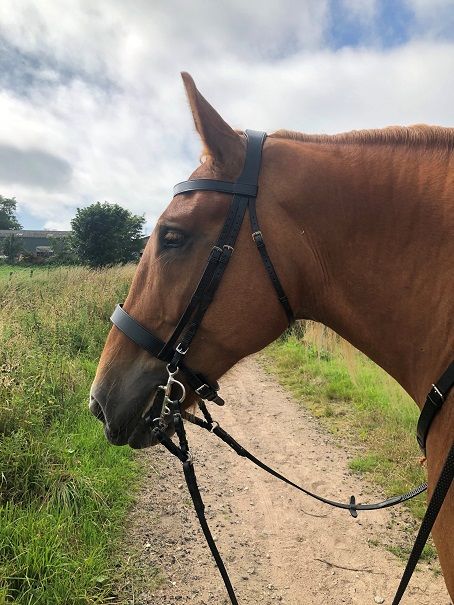
Anatomical Bridle Parts
All parts are interchangeable with each other.
Click on the photos for more information on the parts.
Click on the text link for the Order Page.

All parts are interchangeable with each other.
Click on the photos for more information on the parts.
Click on the text link for the Order Page.
The options for part sizes are on the Order Page for your bridle.
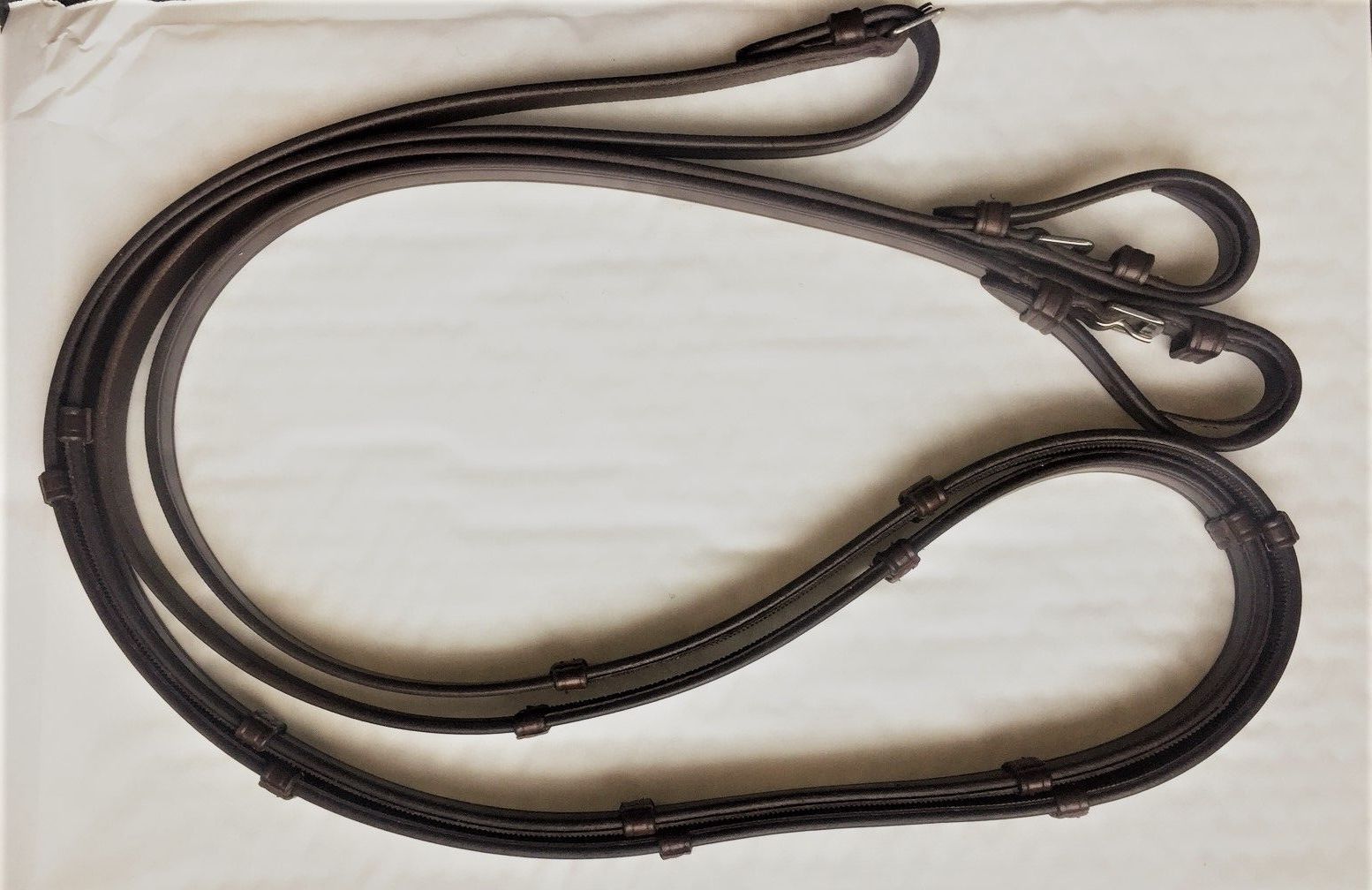
Acsessories
Click on the photos for more information.
Click on the text link for the Order Page.